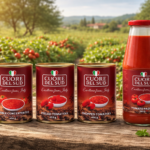

Exporting fresh food products is a delicate process. The priority is to maintain the quality and safety of the food until its final destination. This requires a well-structured and continuous cold chain. Each stage must be controlled: from packaging to delivery.
Fresh foods (such as dairy products, meat, vegetables or fish) are subject to rapid deterioration. For this reason, logistics must be precise and fast. Refrigerated vehicles, equipped warehouses and an efficient shipping plan are needed. Customs documents must also be in order and up to date.
“Regulations vary from country to country. It is essential to know the labeling, storage and traceability requirements.”
Requirements and controls to be respected
Every export must comply with international health standards. Products must be traceable at every stage. Companies must guarantee constant temperatures during transport and storage. Some countries require specific health certifications. Others require the use of eco-sustainable packaging or information in the local language. Before shipping, many foods are subjected to quality controls. Freshness, origin, production date and batch are checked. In the event of irregularities, the goods can be rejected or destroyed. For this reason, it is important to have an effective management system and reliable partners. Companies that export fresh foods must also adapt quickly to regulatory changes and market demands.
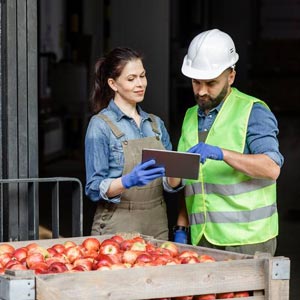
- Guaranteed cold chain
- Health compliance
- Full product traceability
- Fast shipping times
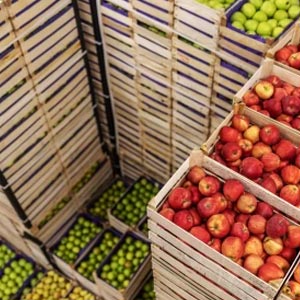
- Suitable and safe packaging
- Quality checks before export
- Complete documentation
- Specialized logistics partners
Exporting fresh food requires precision, expertise and the right tools. But with the right organization, Italian quality reaches everywhere.
Logistics and transport for fresh products
Logistics is the heart of fresh exports. Without a reliable network, the risk of waste and economic losses is high. A continuous cold chain is needed, from warehouses to final delivery. The means of transport used must be refrigerated and monitored in real time. Digital sensors are useful for controlling the temperature during the journey. Transit times must also be optimized. Every hour counts, especially for highly perishable products such as dairy products, fish or fruit. It is useful to work with logistics operators specialized in food export. Furthermore, an emergency plan is needed in case of delays or unforeseen events. In conclusion, fresh exports require organization, attention and care for details. But with the right approach, it is possible to bring Italian quality all over the world.