
In the agri-food sector, sustainability is no longer just an ethical choice, but a real development and positioning strategy. With the increase in environmental awareness among consumers and increasingly stringent regulatory pressures, companies that invest in sustainable practices are able to stand out on the market and create value in the long term.
Reducing environmental impact, optimizing natural resources, minimizing waste and ensuring the traceability of raw materials are now fundamental elements for those who operate in the production and export of agri-food products.
“Sustainability concerns the entire supply chain: from the cultivation and processing of food, to packaging, transport and distribution”
How sustainability becomes a competitive advantage
Adopting sustainable practices does not only mean respecting the environment, but also generating efficiency, savings and added value. Agri-food companies that invest in eco-friendly packaging, low-impact production, renewable energy or green logistics systems are able to reduce long-term costs, improve their reputation and attract new market segments, especially those that are more attentive to ethical values. Furthermore, many foreign markets, especially those in Northern Europe, North America and East Asia, require high standards in terms of sustainability, representing a barrier to entry for those who do not meet these requirements. Having certifications such as BIO, DOP, IGP, or environmental sustainability brands therefore becomes a real competitive asset. Today, consumers increasingly choose products not only for taste or price, but also for their environmental impact, the transparency of the supply chain and the ethical commitment of the manufacturing company.
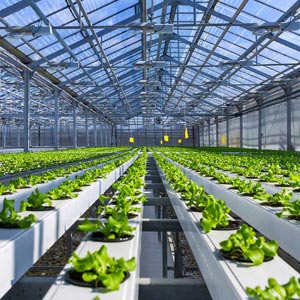
- Brand reputation
- Access to foreign markets
- Customer loyalty
- Reduction of operating costs

- Tax benefits and incentives
- Increased competitiveness in B2B
- Alignment with future regulations
- Perceived value of the product
In a sector like the agri-food one, where quality is intertwined with respect for the environment and people, sustainability is not only a duty, but a concrete opportunity to stand out and grow in the global market.
Future opportunities and value for exports
In the context of the internationalization of Italian food, sustainability represents a strategic passport to access new markets and retain high-profile customers. Companies that demonstrate responsibility towards the environment are rewarded by consumers.
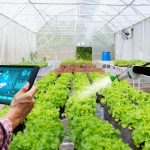
The adoption of intelligent technologies to reduce waste, optimize transportation and manage resources efficiently translates into economic benefits, positive brand image and lasting commercial opportunities. Furthermore, the narrative of sustainability, through labels, storytelling, certifications and traceability, allows Italian agri-food companies to enhance their connection with the territory and traditions, offering foreign consumers an authentic and responsible product. In this scenario, those who invest in sustainability today will be ready to respond to the challenges of tomorrow.