
Integrated logistics in the food sector is a strategic approach that connects all elements of the supply chain: from the supplier to the consumer.
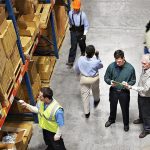
By integrating processes such as warehouse management, transportation and distribution, companies in the food sector can optimize operations and simplify workflows.
In other words, this system allows for increased operational efficiency, reduced costs and improved service quality. In particular, in the food sector, where products are often perishable or require specific storage conditions, such as the cold chain, integration is essential.
“With integrated logistics, every stage of production and distribution is monitored and managed, from the receipt of raw materials to final shipment.”
Benefits of Integrated Logistics in Food
Integrated logistics in the food sector offers many advantages, which go far beyond simple cost reduction.
One of the main ones is timely deliveries. This is especially important for fresh and perishable products, which require careful management of the cold chain.
Thanks to the integration of processes, it is possible to speed up each phase of distribution.
Response times improve, delays are reduced and the freshness and quality of the product at the time of delivery is guaranteed.
Furthermore, the use of advanced technologies plays a key role.
Systems such as WMS (Warehouse Management System) or shipment tracking software help to better manage stocks and warehouse operations.
As a result, resources are optimized, waste is avoided and work overloads are reduced.
The result is a more efficient, sustainable and responsive supply chain to market needs.
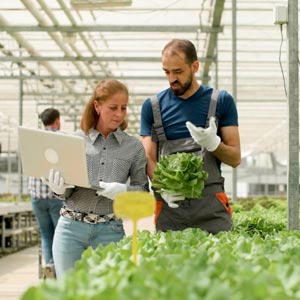
- Greater operational efficiency
- Cold chain control
- Full traceability
- Reduction of logistics costs
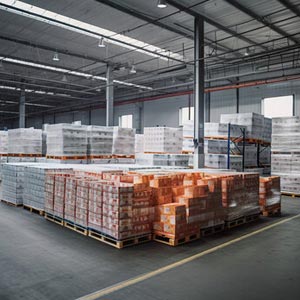
- Intelligent delivery planning
- Rapid reaction to unexpected events
- Better quality of the final product
- Adeguamento alle normative internazionali
These advantages make integrated logistics a strategic element for all companies in the food sector that want to grow on international markets, offering quality products with efficiency, safety and punctuality.
Technologies used in food logistics
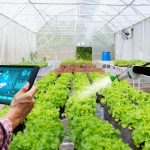
Emerging technologies are playing a fundamental role in transforming food logistics. The use of robotics and drones in warehouses is revolutionizing the storage and picking process, improving speed and reducing errors. Furthermore, the use of artificial intelligence (AI) and big data is enabling more effective resource planning and management, predicting demand based on consumer trends and optimizing distribution routes. IoT (Internet of Things) technology, through connected sensors, allows real-time monitoring of temperature during transport, essential for maintaining the quality of sensitive products such as dairy products, meat or fresh products. Another innovative technology is represented by tracking systems that allow you to follow every phase of the journey of the goods, ensuring maximum transparency and reliability. Integrated logistics, thanks to the adoption of these technologies, offers complete control, from production to final distribution, ensuring that the products reach the consumer in the best possible conditions.